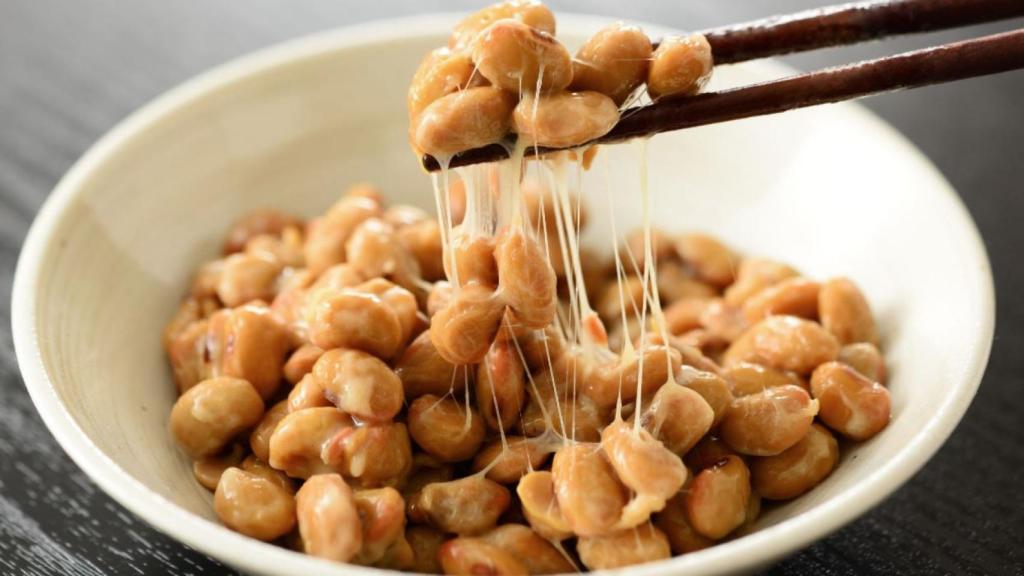
The Japanese 'super breakfast' of longevity that is taking the U.S. by storm: protects the heart and helps with weight loss
More and more known outside of Japan thanks to social media, it concentrates healthy nutrients in exchange for very few calories.
Leer en español: El 'superdesayuno' japonés de la longevidad que arrasa Estados Unidos: protege el corazón y ayuda a adelgazar
Noticias relacionadas
- El 'superalimento' del campo español que pocos conocen: con vitaminas, sin calorías y antioxidante
- El 'superalimento' de las abuelas de España que envidia Europa: reduce el azúcar en sangre y la grasa
- El 'superalimento' francés que hay que tomar más en España: antioxidante, con vitamina A y magnesio
Paraphrasing The Lion King, we could describe natto as "sticky but tasty." This traditional Japanese food, still relatively unknown in the United States, generates mixed reactions among those who try it due to its strong smell, similar to ammonia, and its viscous texture.
However, its rise on TikTok has increased its demand, showing that behind its unattractive appearance lies a nutritious powerhouse worth considering.
What is natto?
Natto is a traditional dish made from fermented soybeans, inoculated with the bacteria Bacillus subtilis. This fermentation process gives natto its sticky, viscous texture, as well as its distinctive strong aroma. In Japan, it is common to eat natto for breakfast, accompanied by mustard, soy sauce, and white rice.
Although natto has been a staple food in Japan for centuries, it is now gaining popularity in the U.S., thanks to influencers on social media platforms like Lizzo, who have shared their experiences trying this unique food. As a result, people across the country are exploring its potential health benefits.
A rich history
According to Samuel Yamashita, a professor of Japanese history at Pomona College in Claremont, California, natto originated in China and was introduced to Japan during the Nara period (710–784). By the Kamakura period (1192–1333), it had become popular among samurais and aristocrats. Over time, it became a pillar of Buddhist vegetarian cuisine, appearing in recipe collections from the Edo period (1603–1867).
Nutritional benefits of natto
Natto is valued for its exceptional nutritional profile. Its most prominent component is vitamin K2, specifically menaquinone-7, which plays a crucial role in bone health. Additionally, natto contains riboflavin (vitamin B2), essential amino acids, calcium, phosphorus, and nattokinase, an enzyme with promising cardiovascular and anti-inflammatory properties.
Key health benefits:
-
Cardiovascular health: Natto's nattokinase acts as a natural anticoagulant, improving blood flow and reducing the risk of strokes and heart attacks. A long-term study in Tokyo found that daily consumption of natto reduced cardiovascular mortality risk by up to 10%.
-
Bone health: The high content of vitamin K2 in natto aids in calcium absorption and bone mineralization, helping to prevent osteoporosis. A study published in the Journal of Nutrition revealed that regular natto consumption can reduce postmenopausal bone loss by up to 80%.
-
Digestive health: As a rich source of probiotics, natto promotes gut health, improving digestion and potentially combating obesity.
-
Cognitive health: Recent research on nattokinase suggests it could help degrade beta-amyloid plaques associated with Alzheimer's. A study in the Journal of Agricultural and Food Chemistry highlighted its potential to address inflammatory disorders and age-related cognitive decline.
How is natto consumed?
While natto can be homemade by fermenting soybeans with Bacillus subtilis, this process requires precise control of temperature and specialized ingredients, making store-bought natto a more practical option for most. It can be enjoyed in various ways:
-
Traditional style: Mix natto with soy sauce, mustard, and scallions, and serve it over steamed rice.
-
In salads: Add natto as a dressing to green salads for a probiotic boost.
-
In smoothies: Blend natto into smoothies for an extra dose of protein and nutrients.
-
As a snack: Pair natto with crackers or toast for a quick and healthy snack.
A growing trend in the U.S.
With the rise of plant-based diets and the interest in functional foods, natto is becoming increasingly accessible in U.S. supermarkets, especially in areas with large Asian communities. Its unique combination of flavor, texture, and health benefits makes it an intriguing choice for food enthusiasts and health enthusiasts.
References
-
Journal of Nutrition
-
Journal of Agricultural and Food Chemistry
-
Pomona College History Department
-
American Heart Association
The rise of natto in the U.S. highlights a growing appreciation for global superfoods with deep cultural roots. While its strong smell and texture may require some getting used to, the health benefits make it worth a try.


