Goodbye to american citizenship? The controversial executive order by Trump generates an unprecedented debate.
What has provoked an immediate response in the legal and social sphere of the United States.
Leer en español: ¿Se despide la ciudadanía por nacimiento? La polémica orden ejecutiva de Trump genera un debate sin precedentes
The new measure establishes that, starting on February 19, 2025, only children born to parents who are citizens or legal permanent residents will be recognized as American citizens. The intention behind this decree is to reconfigure the immigration system and strengthen control over the population entering the country, arguing that the current birthright citizenship policy has been subject to abuses and has contributed to immigration administration issues.
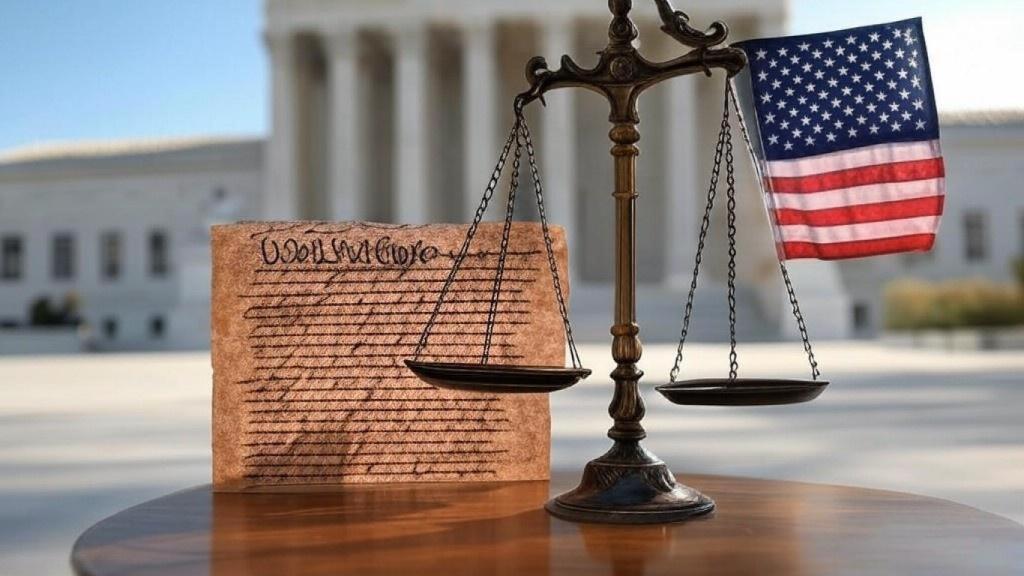
However, the proposed change has sparked strong controversy. The Fourteenth Amendment of the United States Constitution, which guarantees citizenship to anyone born in the national territory, is one of the main pillars on which the argument of those defending the inalienable right to citizenship by birth is based. In response to the order, several federal judges have issued injunctions blocking its implementation, arguing that the modification conflicts with constitutional principles established over a century ago.
So far, at least nine lawsuits have been filed by states and civil organizations, who argue that the measure violates fundamental rights and affects communities that have lived in the country for generations. The litigations focus on the constitutionality of the executive order, and the controversy has escalated to the point where the government has decided to appeal the judicial decisions.

Authorities argue that the change is a necessary response to address national security issues and improve the immigration system, while critics warn of social and legal consequences it could bring. The judicial process that has been triggered could end up in the hands of the Supreme Court, where a decision will be made on whether birthright citizenship can be modified under U.S. legislation.
This clash between the executive branch and the judicial system reflects the existing tensions in the country's immigration debate, where fundamental principles about national identity, human rights, and constitutional interpretation are at stake.

Meanwhile, American society is divided. Civil rights organizations and immigrant advocacy groups have organized protests and campaigns to denounce what they consider a discriminatory measure that could leave millions of people who have lived in the U.S. without being recognized as citizens in a vulnerable situation.


