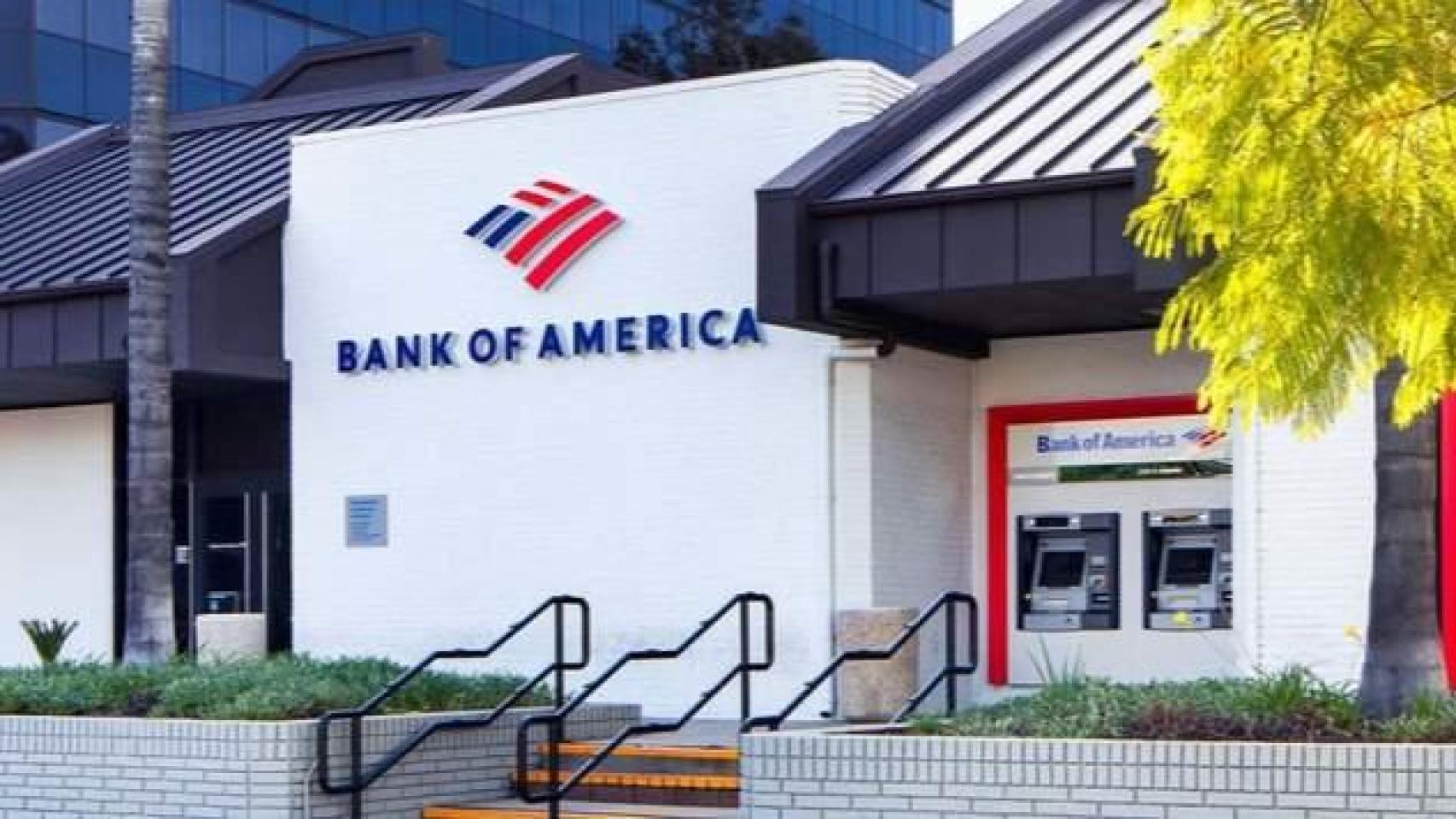
Bank of America is one of the main financial institutions in the United States and has issued a warning to its customers about when a bank account can be classified as abandoned property. This classification could lead to its blocking and the transfer of funds to state custody.
So, when is an account considered abandoned property? Bank of America clients must be aware of the deadlines set by the company before a account is blocked for "lack of use".
Let's see: according to the information published on their website, a bank account is declared as abandoned property when it shows no activity for an extended period, generally 3 years or more. How can you prevent this? You must keep track of the transactions you have made recently.
However, the financial institution notifies the account holder to inform them about the status of their account to prevent the transfer to the state. The goal is to ensure that the funds are not left unattended and are properly managed by the competent authorities.
When an account can be classified as inactive
The first thing the customer will receive is a notification. If, after receiving that notice, the customer takes no action, Bank of America may report the account as inactive and, consequently, transfer the funds to the corresponding state agency.
"The regulations in each state define when an account is considered inactive and when it must be transferred to the state," explained Bank Of America in an official statement.
Recommendations to avoid account blocking
To avoid falling into the abandoned property category and prevent its possible blocking, Bank of America gives these recommendations to its clients:
-You must regularly check balances and transactions through online banking or the mobile app.
-You must cash pending checks or financial documents for settlement.
-You must carry out periodic transactions in your checking or savings accounts.
-You must keep personal information updated, including address and contact numbers, to receive timely notifications.
*This article has been automatically translated using artificial intelligence