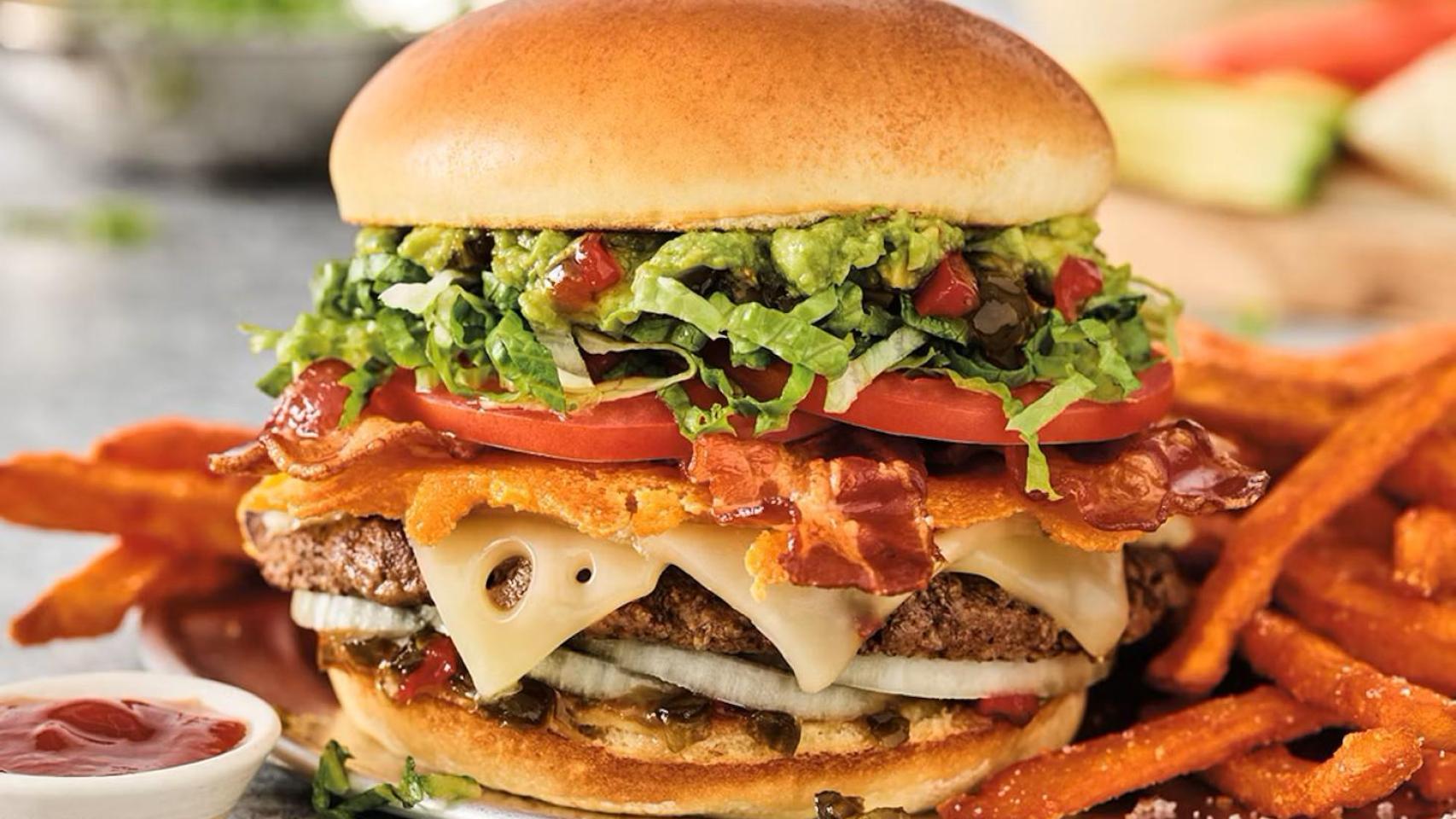

Hamburgers have been, are, and will always be a fundamental pillar of American gastronomy for decades, becoming a cultural icon that goes beyond fast food.
From small family-owned eateries to large national chains, hamburgers are a beloved dish by millions of people across the country. The versatility of this food, combined with its accessibility and flavor, has allowed burger joints to evolve and adapt to the tastes and preferences of different generations.
In the United States, it's not uncommon to see people of all ages enjoying a burger, whether at a fancy restaurant or at a quick roadside stop, showcasing the ubiquity and popularity of this culinary classic.
Red Robin
However, for all those fast food enthusiasts, there is bad news: some of the most popular burger chains are going through tough times and, in certain cases, are facing the closure of several of their establishments.
This is the case of Red Robin, one of the most beloved brands in the country, which has announced the closure of more than 70 of its locations as part of a strategic restructuring.
This decision, which was made public during a recent earnings call, where G.J. Hart, the CEO of Red Robin, revealed a surprising strategy that has left the restaurant industry and consumers in shock.
As reported by Nation’s Restaurant News, the company will close over 70 of its locations as part of a significant restructuring.
Reasons for the closure
The decision to reduce its physical presence is due to various factors affecting the company's performance. Firstly, the increasing competition in the fast food and casual dining sector, combined with changes in consumer preferences, has impacted the flow of customers to their establishments.
Additionally, the COVID-19 pandemic left a significant mark on the operations of many restaurant chains, and Red Robin was no exception.
During the call, G.J. Hart explained that the closures would allow the company to focus on the most profitable and in-demand restaurants, while reducing unnecessary operating costs.
This restructuring aims not only to improve efficiency, but also to strengthen the brand, better adapting to new consumption habits that include online orders, home deliveries, and takeout options.
Although the company has not provided additional details about relocation plans or compensation, it is likely that employees will be relocated to other locations, as much as possible, or offered some form of compensation for the closures.
On the other hand, regular customers of these locations will have to adjust to the new layout of Red Robin restaurants. The company has not specified which locations will be affected, but a clearer announcement is expected in the coming days.
Strategy
However, in order to counteract the negative effects of these closures, Red Robin has intensified its efforts to strengthen its digital presence.
Hart mentioned that the company is investing in the growth of its online ordering and delivery platform, areas that have proven to be crucial for the success of restaurant chains in the post-pandemic era.
Additionally, the brand is seeking a renewed focus on the customer experience, with the goal of building customer loyalty and regaining ground in the competitive market.
*This article has been automatically translated using artificial intelligence