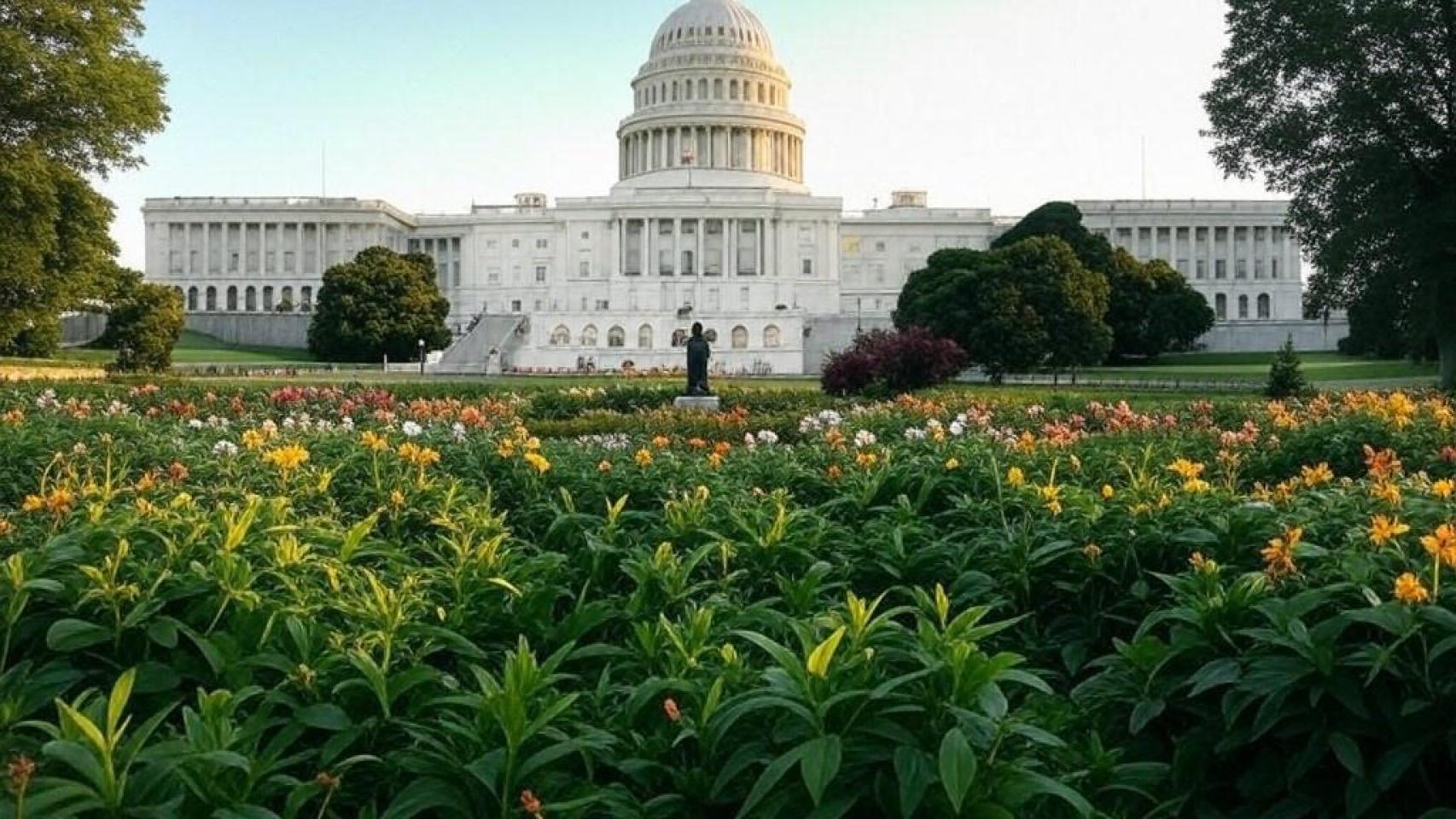
In the heart of Austin, capital of the state of Texas, there is a building that redefines the concept of governmental grandeur. This state Capitol, which surpasses in size the Capitol of Washington D.C., stands as a symbol of Texas' history and political power, while also being a tourist attraction in its own right. The structure stands out for its imposing dome, topped by an emblematic statue called the "Goddess of Liberty," which represents the ideals of justice and autonomy that have shaped the Texan identity.
The architectural design of the Austin Capitol is a harmonious blend of tradition and modernity. Built with materials that ensure durability and aesthetics, the building features spacious meeting rooms, administrative offices, and spaces dedicated to civic events and state ceremonies. Attention to detail is evident in every corner, from the classical columns that support the structure to the intricate reliefs and ornaments that adorn its facades.
This construction not only serves an administrative function, but also becomes a stage to showcase the pride and resilience of a nation in constant evolution. What truly distinguishes this iconic building is its surroundings. The Capitol is surrounded by over 22 acres of meticulously maintained gardens, offering a space for recreation and contemplation.
These extensive grounds are dotted with monuments, sculptures, and fountains that pay tribute to key figures and events in Texas history. Taking a stroll through these gardens is to immerse oneself in a landscape of serenity, where nature and art merge to provide a unique visual and emotional experience.
The "Goddess of Liberty," located atop the dome, has become one of the most recognizable symbols of the building. With an imposing presence, this statue embodies the spirit of freedom and the determination of a state that has forged its own path on the national stage. Its image inspires those who visit the Capitol, reminding them of the importance of defending the values that have characterized Texas over the years.
The influence of this building transcends the governmental sphere. Its architecture and the splendor of its gardens have made it a reference point for cultural events, art exhibitions, and community celebrations. The city regularly hosts guided tours, allowing tourists to learn about the building's history and enjoy the panoramic views it offers from its elevated areas.