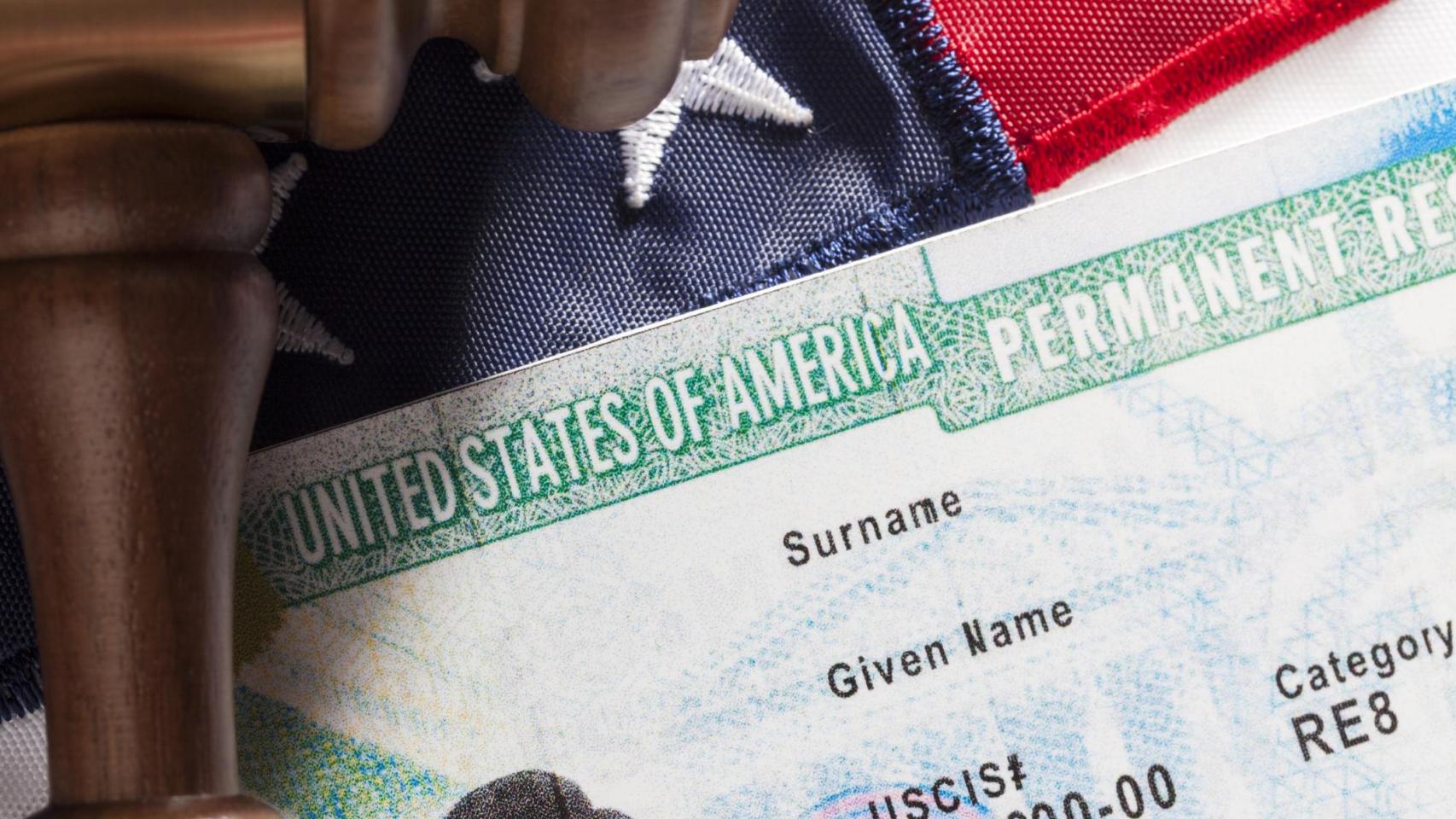
The Green Card, or permanent residency card, is the document that allows an immigrant to live and work legally in the United States indefinitely. The Green Card application is managed by USCIS (United States Citizenship and Immigration Services), the federal agency responsible for immigration and naturalization processes. This entity evaluates that applicants meet a series of legal and administrative requirements to fully integrate into American society.
However, one of the most common problems that applicants face is making errors in the documentation, which can delay or even invalidate the application process. The most common error lies in filling out the necessary forms, especially the Form I-485 (Adjustment of Status) or, in the case of those opting for consular processing, Form DS-260.
Many applicants fail to complete all required sections of these forms, resulting in incomplete applications that must then be returned for correction, causing significant delays in the process. It is essential to carefully read each section and ensure that all requested information has been provided.
Another common problem is including incorrect information in the documents. This can range from typographical errors to data that does not match official records, which can raise doubts about the veracity of the application. The accuracy and consistency of the information is crucial, as USCIS rigorously verifies every detail to prevent fraud or inconsistencies. Therefore, it is advisable to review and verify the data multiple times before submitting the application.
In addition, one of the most serious errors is forgetting to sign the required documents. The signature is the legal validation that the applicant accepts the provided information and commits to complying with the laws of the United States. A document without a signature may be considered incomplete and automatically disqualify the application. However, these are not the only errors to avoid. Other common oversights include not paying the appropriate fees related to the application process.
Fees vary depending on the type of procedure and must be paid at the time of submission; any omission or incorrect payment can result in rejection or postponement of the process. Likewise, sending the application to the wrong address is another error that can delay the process, as each form must be sent to the correct address indicated by USCIS.
Therefore, it is vital to undergo a medical examination with a professional authorized by USCIS. Many applicants choose to visit professionals who are not accredited, which can invalidate the examination results and, therefore, the application. Choosing an authorized doctor is an essential step that ensures the examination meets the standards required by the agency.